
Hñäki: Many coffee businesses struggle to package their product effectively for the retail market. Agitación: Poor packaging can lead to stale coffee, low sales, and a damaged brand image. njäts'i: Learn the best practices for coffee packaging to ensure freshness[^ 1] and attract customers.
The ultimate guide to packaging coffee for resale involves understanding material science, design aesthetics, and market trends to ensure your coffee stays fresh, looks appealing, and sells well. It's about combining protection, presentation, and practicality to succeed in a competitive market.
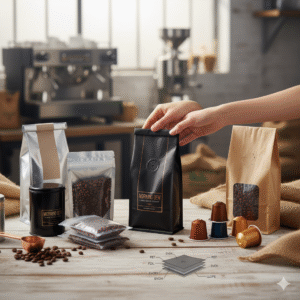
(
My journey in packaging began with a simple goal: to help producers deliver their best to consumers. pa ar kafe, this means keeping it fresh. I have seen how a well-packaged coffee bag can grab attention and truly protect the quality inside. This guide is built on those experiences.
Does Your Packaging Material Really Keep Coffee Fresh?
Hñäki: You are using packaging that lets your coffee go stale too fast. Agitación: Customers complain about a lack of freshness[^ 1], hurting your reputation. njäts'i: Choose materials that act as a strong barrier.
The right he̲'mi embalaje[^ 2] ar crucial pa da zeti ar kafe freshness[^ 1], proteger nä'ä ar oxígeno, humedad, ne tsibi. películas mextha ar barrera, tso̲kwa menudo múltiples capas, ya esenciales pa bloquear ñu̲ni ne sabor, asegurando 'na mfeni premium[^ 3] pa ar consumidor.
nu'bu̲ empecé ya besfu̲i, dá meya ke hingi nga̲tho ya materiales ar crean ngu igual, hontho pa 'naxtu̲i ngut'ä sensible komongu ar kafe. 'nar pa trabajé ko 'nar pequeño tostador da utilizó bolsas plástico básicas. Ár kafe perdió rápidamente ár puñón. Ya cambiamos ma 'nar película multi capas ko 'nar barrera aluminio, ne ar diferencia mar nxui ne ar pa. yá clientes notaron ngut'a.
Tange ya mpädi mäs xi materiales pa conservar ar kafe freshness[^ 1] ne Yogo'ä?
Da 'ñets'i ya mpädi mäs xi materiales pa embalaje kafe ar crítico pa da zeti ár freshness[^ 1] ne ñu̲ni. Primera, películas múltiples capas ya superiores. Gi películas combinan 'na'ño materiales, each serving a specific purpose. ngu, an outer layer might be PET (polyethylene terephthalate) for strength and printability. An inner layer will often be a metallized film or aluminum foil[^4]. Aluminum foil is an excellent oxygen and moisture barrier[^5], almost completely blocking light and gases. Metallized films offer good, but not perfect, barrier properties at a lower cost. o, EVOH[^6] (ethylene-vinyl alcohol) can be used as a barrier layer in plastic films. It is highly effective at blocking oxygen. Tercera, nylon provides puncture resistance and strength, protecting the bag during shipping and handling. Ngäts'i, a sealant layer, usually LLDPE (linear low-density polyethylene), ensures the bag can be securely heat-sealed. These combined layers create a robust shield against oxygen, humedad, tsibi, and external odors, all of which degrade coffee quality. Without these barriers, coffee quickly loses its volatile aromatic compounds and oxidizes, becoming stale.
| Material Layer | Primary Function | Benefit for Coffee Packaging |
|---|---|---|
| Outer Layer (PET) | Strength, Printability | Durable packaging, high-quality graphics |
| Barrier Layer (Alu Foil) | Blocks Oxygen, Humedad, Light | Preserves aroma and flavor, extends shelf life[^7] |
| Barrier Layer (EVOH[^6]) | barrera ar oxígeno (alternative) | Za̲ freshness[^ 1] 'ba̲ts'i, often for clear windows |
| Strength Layer (Nylon) | Puncture Resistance | Protects package integrity during transport and handling |
| Sealant Layer (LLDPE) | Heat Sealability | Airtight seal, prevents spoilage |
Is Your Coffee Packaging Design Attracting the Right Customers?
Hñäki: Your coffee blends in on the shelf. Agitación: A generic design fails to communicate your brand story and value. njäts'i: Create a design that speaks to your target audience.
An effective coffee packaging design[^8] goes beyond aesthetics; it communicates your brand identity[^ 9], hño, and story to attract your ideal customer. It uses color, typography, and imagery to create an emotional connection and differentiate your product in a crowded market.
I believe that packaging design[^8] is more than just looking good. It’s about telling your story without words. I once worked with a client who had incredible single-origin coffee, but their packaging was bland. We redesigned it with earthy tones, hand-drawn elements, and a map of the coffee's origin. Sales jumped because customers could finally see the passion and quality behind the brand.
How does effective coffee packaging design[^8] influence consumer purchasing decisions[^10]?
Effective coffee packaging design[^8] profoundly influences consumer purchasing decisions[^10]. Primera, it grabs attention. In a crowded retail environment, unique and visually appealing packaging is often the first thing a customer notices. Distinctive colors, shapes, and graphics make your product stand out from competitors. o, it communicates brand identity[^ 9] and values. A design can convey whether your coffee is artisanal, ethical, luxurious, or everyday. ngu, minimalist designs often suggest premium quality, while vibrant colors might appeal to a younger, more adventurous audience. Tercera, it tells a story. Packaging can include elements that speak about the coffee's origin, the roasting process, or your brand's mission, creating an emotional connection with the consumer. This narrative helps build trust and loyalty. Ma ku̲t'a ma ku̲t'a, it provides crucial information. Clearly displayed certifications (organic, fair trade), brewing instructions, and flavor notes help consumers make informed choices. Ngäts'i, good design implies quality. Consumers often associate well-designed, robust packaging with a high-quality product inside. This perception can justify a higher price point and increase perceived value.
| 'nar 'mu̲i ar diseño | Impact on Consumer | Desired Outcome |
|---|---|---|
| r | Catches the eye, stands out on the shelf | Increased initial interest, product discovery |
| identidad marca | Conveys brand personality, values, and target market | Builds brand recognition, attracts ideal customers |
| Storytelling | Creates emotional connection, provides background | Fosters loyalty, differentiates from competitors |
| Information Display | Educates consumers, guides choices | Informed decisions, reduces buyer's remorse |
| hño percibida | Suggests product quality and value | Justifies price point, mejora ar satisfacción ar cliente |
What Are the Best Packaging Formats for Resale Coffee?
Hñäki: You're unsure which packaging format best suits your coffee and market. Agitación: Using the wrong format can lead to inefficiency, higher costs, or poor product presentation. njäts'i: Explore various formats and their benefits.
The best packaging format for resale coffee balances convenience, 'ba̲ts'i, and cost-effectiveness while aligning with consumer preferences. Options range from flexible pouches to rigid canisters, each offering distinct advantages for different types of coffee and target markets.
From my experience, choosing a packaging format is like choosing the right outfit for an occasion. You wouldn't wear a suit to the beach. Similarly, you wouldn't use a large bulk bag for single-serve coffee. I advise clients to think about how their customers will use the coffee and where it will be sold. This helps narrow down the choices significantly.
Which coffee packaging formats[^11] are most effective for different retail needs?
The most effective coffee packaging formats[^11] vary based on retail needs and product characteristics. Primera, stand-up pouches (SUPs) are incredibly popular. They offer excellent shelf appeal, can include resealable zippers for freshness[^ 1], and are cost-effective for various sizes. They are great for whole bean or ground coffee and can be made with high-barrier films. o, quad-seal bags[^12] (also called side-gusseted bags) provide a box-like shape when filled, offering a premium look and good stability. They are often used for specialty or larger volume coffees and can also incorporate degassing valve[^13]s. Tercera, doypack pouches[^14] are similar to SUPs but have a distinct round bottom, enhancing stability and presentation. They are versatile for different coffee types. Ma ku̲t'a ma ku̲t'a, block-bottom bags stand upright very well and have a modern, clean look, suitable for premium brands. Fifth, canisters or tins offer robust protection and a luxurious feel, often used for high-end or gift-packaged coffee. They are more expensive but convey superior quality. Ngäts'i, single-serve pods[^15] or capsules cater to convenience markets and specific brewing systems, though they raise sustainability concerns. Each format has unique benefits for different target markets and price points.
| Packaging Format | Key Characteristics | Best For | Advantages |
|---|---|---|---|
| Stand-Up Pouches (SUPs) | Flexible, stand upright, often resealable | Whole bean/ground coffee, various sizes | Shelf appeal, cost-effective, good barrier options |
| Quad-Seal Bags | Box-like shape when filled, side gussets | Specialty, larger volume coffee | aspecto premium, stable, often with degassing valve[^13]s |
| Doypack Pouches | Round bottom, stands upright, flexible | Various coffee types, good presentation | Stable, versatile, attractive |
| Block-Bottom Bags | Flat bottom, stands upright, clean lines | Premium brands, modern aesthetic | Excellent stability, sleek design, strong shelf presence |
| Canisters/Tins | Rigid, durable, often re-useable | High-end, gift coffee, long-term storage | 'ba̲ts'i mäs xi ngu, luxurious feel, reusability |
| Single-Serve Pods | Individual portions, compatible with brewing systems | Convenience market, office use | Ultimate convenience, precise brewing |
Should Your Coffee Packaging Include a Degassing Valve?
Hñäki: Your freshly roasted coffee causes pouches to burst or swell. Agitación: Without proper ventilation, coffee stales faster. njäts'i: Use a one-way degassing valve[^13].
A one-way degassing valve[^13] is essential for freshly roasted coffee packaging, allowing carbon dioxide to escape without letting oxygen in. This preserves freshness[^ 1], prevents package damage, and ensures a superior coffee experience for the consumer.
When I speak about coffee packaging, the degassing valve is one of the first things I bring up for roasted coffee. Freshly roasted beans release CO2. If that gas can't escape, it will make the bag inflate and even burst. I remember a client who initially skipped the valve to save a little money, only to find their bags puffing up on shelves, looking unprofessional. Adding the valve solved the problem immediately and protected their product.
Why is a one-way degassing valve[^13] crucial for roasted coffee packaging?
A one-way degassing valve[^13] is crucial for roasted coffee packaging for several important reasons. Primera, freshly roasted coffee beans naturally release carbon dioxide (CO2) for several days after roasting. This process is called degassing. Without a valve, this gas would build up inside a sealed package, causing it to swell and potentially burst. This leads to product damage and wasted packaging. o, the valve allows this CO2 to escape while preventing oxygen from entering the package. Oxygen is a major enemy of coffee freshness[^ 1], causing oxidation that leads to stale flavors. manteniendo 'nar mbo jar ximha̲i mpe̲fi oxígeno wa xí hñets'i'i oxígeno, ar barbula extiende significativamente ar kafe s shelf life[^7] nzaki útil ne conserva ár perfil ñu̲ni ne sabor. Tercera, permite ja ya tostadores empaquetar ár kafe na ngut'ä 'mefa xta tostado. 'Me̲hna ir bo̲ni ke ar kafe mäs fresco zo̲ho̲ ja ar cliente mäs ngutha. Without a valve, ya tostadores tendrían da esperar varios ya pa ar kafe da desgas completamente nu'bu ar envasado, da retrasa ar entrega ne tsa̲ da reducir ar pico ar kafe freshness[^ 1] ventana ar sabor. Ngäts'i, 'bu̲i 'bu̲i 'nar barbula degassing valve[^13] tso̲kwa menudo indica 'nar producto mextha ar hño pa ar consumidor, señalización ne ar tostador entiende ar ciencia ar preservación ar kafe ne bí preocupa ar freshness[^ 1].
| función ar barbula | impacto jar embalaje ar kafe | beneficio pa negocio ar kafe |
|---|---|---|
| liberación CO2 | Previene hinchazón ne estallido ar paquete | Reduce ngi ar producto, Evita desperdicios |
| Bloqueo ar oxígeno | Mantiene mbo jar ximha̲i hñets'i'i oxígeno mbo jar bolsa | Conserva ar frescura freshness[^ 1], extends shelf life[^7], evita ar rancio |
| Immediate Packaging | Allows packaging soon after roasting | Faster delivery to market, peak freshness[^ 1] maintained |
| Quality Indicator | Signals attention to freshness[^ 1] and preservation | Enhances brand reputation, builds consumer trust |
Conclusion
Packaging coffee for resale needs good materials, great design, and the right format. High-barrier films and degassing valve[^13]s keep coffee fresh. Your packaging should tell your story and attract your customer.
[^ 1]: Learn how proper packaging techniques can preserve the freshness and flavor of your coffee.
[^ 2]: Discover the materials that best protect coffee from staleness and enhance its quality.
[^ 3]: Explore how thoughtful packaging enhances the overall coffee experience for customers.
[^4]: Find out how aluminum foil acts as a barrier to preserve coffee's freshness and quality.
[^5]: Learn how moisture barriers protect coffee from degradation and maintain quality.
[^6]: Learn about EVOH's role in blocking oxygen and maintaining coffee freshness.
[^7]: Understand the elements that influence coffee shelf life and how to optimize it.
[^8]: Explore how effective design can attract customers and communicate your brand story.
[^ 9]: Discover how packaging can convey your brand's values and attract your target audience.
[^10]: Discover the impact of packaging on consumer choices and brand loyalty.
[^11]: Explore various packaging formats and their suitability for different coffee types.
[^12]: Understand the benefits of quad-seal bags for specialty coffee packaging.
[^13]: Learn how a degassing valve preserves coffee freshness and prevents package damage.
[^14]: Discover the versatility and presentation benefits of doypack pouches for coffee.
[^15]: Understand the convenience and sustainability concerns of single-serve coffee packaging.